
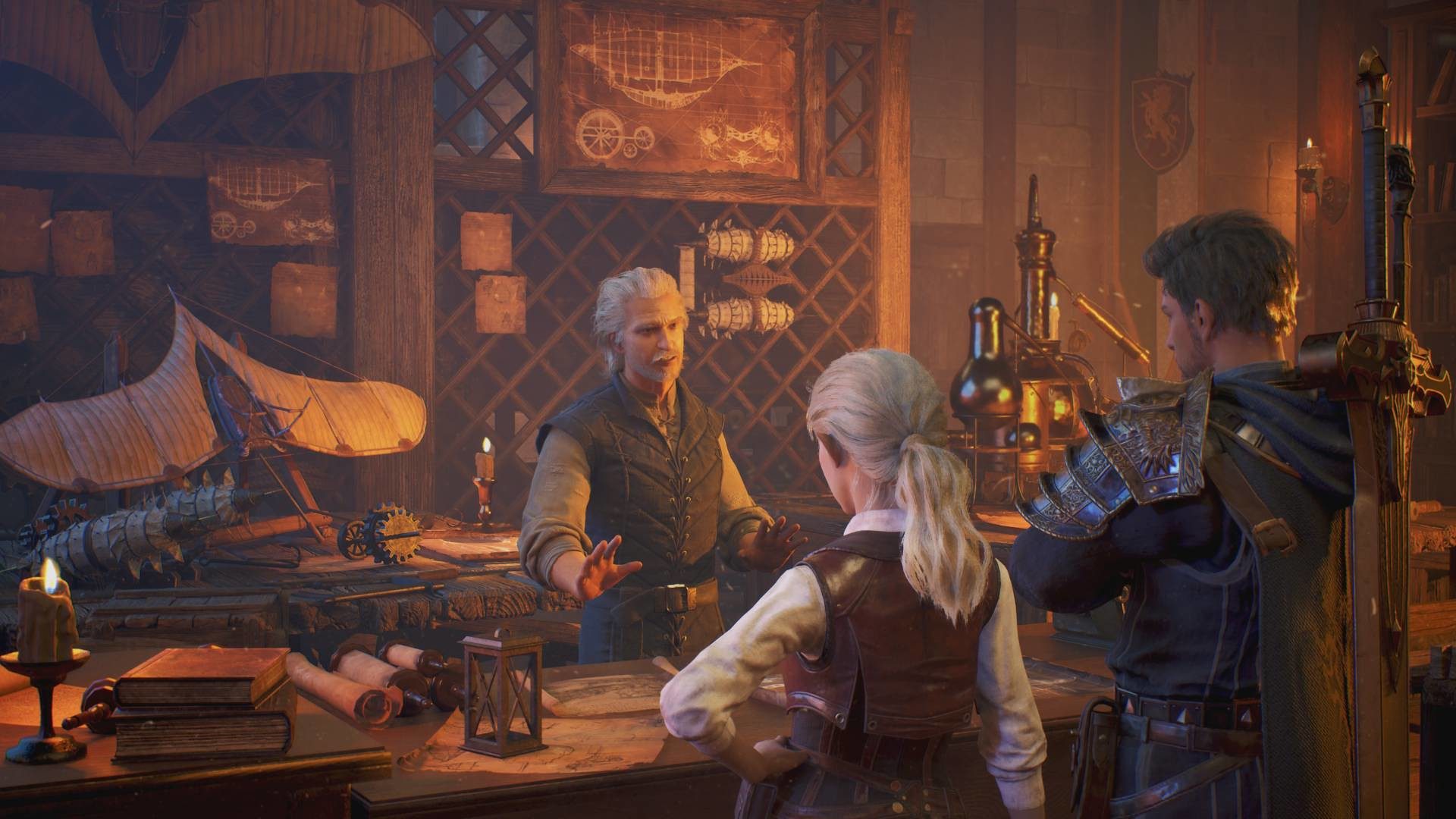
The announcement of ArcheAge Chronicles has sparked intense curiosity among MMO veterans who spent years sailing, trading, and battling in the original sandbox world. While initially anticipated as a direct sequel named ArcheAge 2, this rebranded title represents a bold, action-oriented shift for the franchise. Understanding these design changes is crucial if you want to know whether this new adventure fits your playstyle.
Table of Contents
From ArcheAge 2 to ArcheAge Chronicles: The Big Rebrand
Originally introduced as a direct successor to the beloved classic, the project underwent a significant evolution in its development cycle. In mid-2025, developer XLGAMES shifted its marketing focus, presenting the game as an online action RPG rather than a traditional MMORPG. This change is far from cosmetic; it signals a fundamental transition in how players will interact with the world and each other.
According to community reports, the game is now designed as an "MMO lite" or a shared-world online action RPG. Instead of forcing players into massive zerg guilds, the developers are prioritizing a single-player-friendly, narrative-driven adventure. You can still play with friends, but the pressure of a mandatory massive multiplayer grind has been significantly reduced.
For veterans worried about the loss of the classic sandbox formula, there is still hope. XLGAMES has quietly begun working on a separate project, currently codenamed Project X7. Slated for a potential 2027 release, Project X7 is being positioned as the true spiritual successor to the original game, inheriting its core massive-scale PvP systems. This allows the upcoming archeage chronicles mmo to carve out its own unique identity.
Action-Packed Combat and Exploration in Auroria
The story of the game takes place in Auroria, the legendary northern continent, roughly 50 years after the events of the original game. Players step into the shoes of an experienced explorer affiliated with an established trading company. Your journey begins by investigating a catastrophic airship crash, which quickly embroils you in a deep web of local intrigue.
Combat has received a complete modernization, moving away from old-school tab-targeting to fluid, real-time action mechanics. The gameplay demands active participation, requiring you to master the following mechanics:
- Real-Time Evasion: Dodge, roll, and dash to avoid incoming high-damage attacks.
- Active Defense: Time your blocks and parries perfectly to stagger tough opponents.
- Diverse Playstyles: Switch between close-quarters melee, deadly ranged attacks, and powerful magic.
- Build Flexibility: Your class identity is heavily tied to your equipped weapons and gear, allowing for highly customizable builds.
Exploration is entirely discovery-driven. Instead of mindlessly following quest markers, you are encouraged to investigate temples, ruined wilderness areas, and hidden caves. Bosses, valuable clues, and unique NPCs will reveal themselves naturally as you satisfy your curiosity.
Returning Life Skills: Housing, Crafting, and Trade Runs
Many players fell in love with the original game due to its robust economic systems. Fortunately, several of these core features are returning, though they have been redesigned to fit the new shared-world structure.
Trade runs are back with familiar mechanics. Players can utilize wagons and carts to transport valuable trade goods across dangerous territories. However, player experiences suggest a shift in danger mechanics. Instead of facing ruthless player pirates at every turn, you will primarily defend your cargo from aggressive PvE raiding mobs. While some PvP elements remain, the emphasis has shifted toward cooperative survival.
Housing has also evolved. The competitive, limited open-world land rush of the past has been replaced by shared housing instances. Every player will have access to a home, removing the stress of land taxes and space shortages. You can fully customize your interior and exterior, and even invite interactive NPCs to reside in your home as roommates, creating a highly social, relaxed environment.
System Requirements and Technical Specifications
To run the game smoothly on PC, you will need a relatively modern setup. The game is built on Unreal Engine 5, delivering stunning visual fidelity at the cost of higher hardware demands.
| Hardware Component | Minimum Requirements | Recommended Specifications |
|---|---|---|
| OS | Windows 10 64-bit | Windows 11 64-bit |
| Processor | Intel Core i5-12400 / AMD Ryzen 5 5600 | Intel Core i7-12700 / AMD Ryzen 7 5700X |
| Memory | 16 GB RAM | 32 GB RAM |
| Graphics Card | NVIDIA GeForce RTX 3060 Ti | NVIDIA GeForce RTX 4060 Ti |
| Storage Space | 100 GB available space (SSD recommended) | 100 GB available space (SSD recommended) |
Monetization and Release Timeline
XLGAMES is currently targeting a release window in late 2026, with network testing expected to begin earlier in the year. If you want to secure your spot in the upcoming tests, you can sign up directly on the official ArcheAge Chronicles Steam Page.
Addressing the elephant in the room, the developers have spoken candidly about monetization—a topic that historically plagued the franchise. While the final business model is still being polished, the game is expected to launch as a buy-to-play title supported by cosmetic microtransactions, battle passes, and optional DLCs. The development team has explicitly promised a strict "no pay-to-win" policy, aiming to preserve the competitive integrity of the game's progression systems.
Frequently Asked Questions
Is ArcheAge Chronicles a traditional MMORPG?
No, the developers have clarified that it is not a traditional MMORPG. It is officially described as an online action RPG or a shared-world online RPG. It focuses heavily on a single-player narrative and discovery-driven exploration, while still offering cooperative play, trading, and social spaces.
Will the game feature open-world PvP?
While the game still holds a PvP tag on digital storefronts, competitive player-versus-player combat is no longer the central pillar of the experience. Features like massive faction warfare and castle sieges are absent, leading community analysts to believe PvP may be restricted to structured arenas or specific opt-in zones.
How do trade runs work in this version?
Trade runs still involve crafting valuable regional specialties and transporting them via carts or wagons to distant markets for a profit. However, instead of constant threat from player bandits, you will primarily team up with companions to defend your cargo from hostile PvE monster raids along the route.
Sources and known gaps
- ArcheAge Chronicles on Steam
- Archeage Chronicles 2026 — Is This Even An MMO Anymore?